Understanding R-Value: Why It Matters for Home Insulation

Bay Area Insulation Services Inc. • July 31, 2026

What Is R-Value in Insulation?

If you've ever researched home insulation, you've probably come across the term R-value. While it may sound technical, it's one of the most important factors in determining how well your home stays comfortable and energy efficient throughout the year.


Simply put, R-value measures an insulation material's ability to resist heat transfer. The higher the R-value, the better the insulation performs at slowing the movement of heat through walls, ceilings, and floors.


Choosing the appropriate R-value helps your home stay cooler during the summer, warmer during the winter, and more energy efficient in every season.

Why R-Value Is Important

Your home's insulation acts as a thermal barrier between the indoor and outdoor environment.


Without sufficient insulation, heat naturally moves through your walls, forcing your heating and cooling system to work harder to maintain a comfortable indoor temperature.


Installing the proper R-value insulation helps:

  • Improve energy efficiency
  • Maintain consistent indoor temperatures
  • Reduce heating and cooling costs
  • Increase indoor comfort
  • Lower HVAC system workload
  • Support long-term home performance

The right insulation isn't just about meeting building codes. It's about creating a home that performs efficiently for years to come.

How R-Value Works

R-value measures thermal resistance, or how effectively insulation slows heat transfer.


During the summer, insulation helps reduce the amount of outdoor heat entering your home.


During the winter, it helps keep heated indoor air from escaping through the building envelope.


This year-round thermal resistance creates a more stable indoor environment while reducing energy consumption.

Why Building Codes Specify Minimum R-Values

Modern building codes establish minimum insulation requirements based on climate conditions and construction methods.


These requirements ensure new homes achieve acceptable levels of energy efficiency and occupant comfort.


For example, homes constructed with 2x6 exterior walls commonly require R-23 fiberglass batt insulation to satisfy energy code requirements in many applications.


Meeting these standards helps homeowners benefit from improved thermal performance while ensuring compliance with local building regulations.

Why R-23 Fiberglass Batt Insulation Is Used in 2x6 Walls

Fiberglass batt insulation remains one of the most widely used insulation materials in residential construction because it provides reliable thermal performance and fits standard wall framing.


In homes built with 2x6 exterior wall cavities, R-23 fiberglass batt insulation is specifically designed to fill the cavity completely.


A properly installed fiberglass batt system helps:

  • Maximize thermal performance
  • Reduce unwanted heat transfer
  • Improve indoor comfort
  • Support overall energy efficiency
  • Meet required insulation standards

Complete cavity coverage is essential because even small gaps can reduce the effectiveness of the insulation system.

Proper Installation Is Just as Important as R-Value

Even insulation with a high R-value cannot perform as intended if it is installed incorrectly.


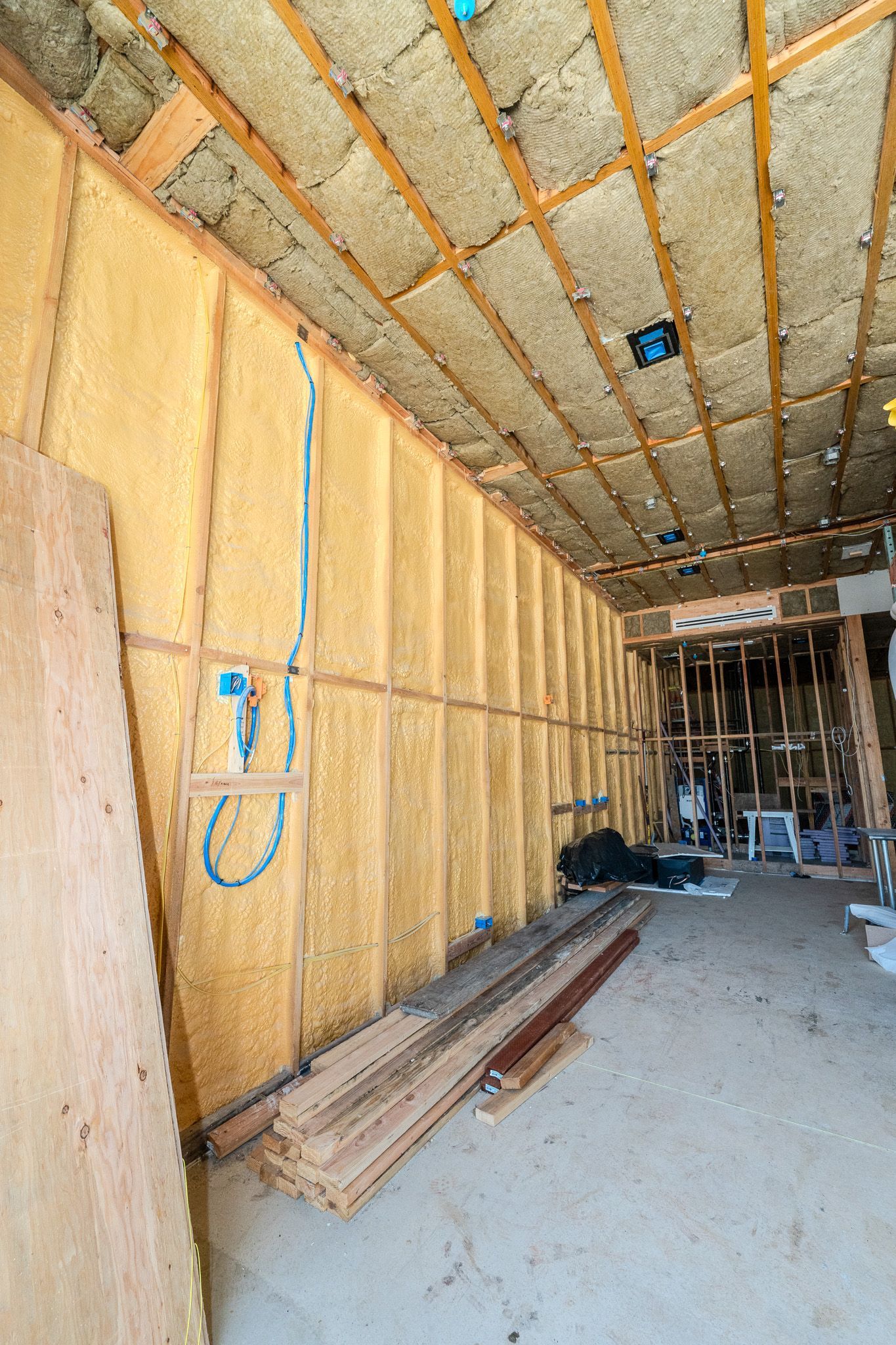
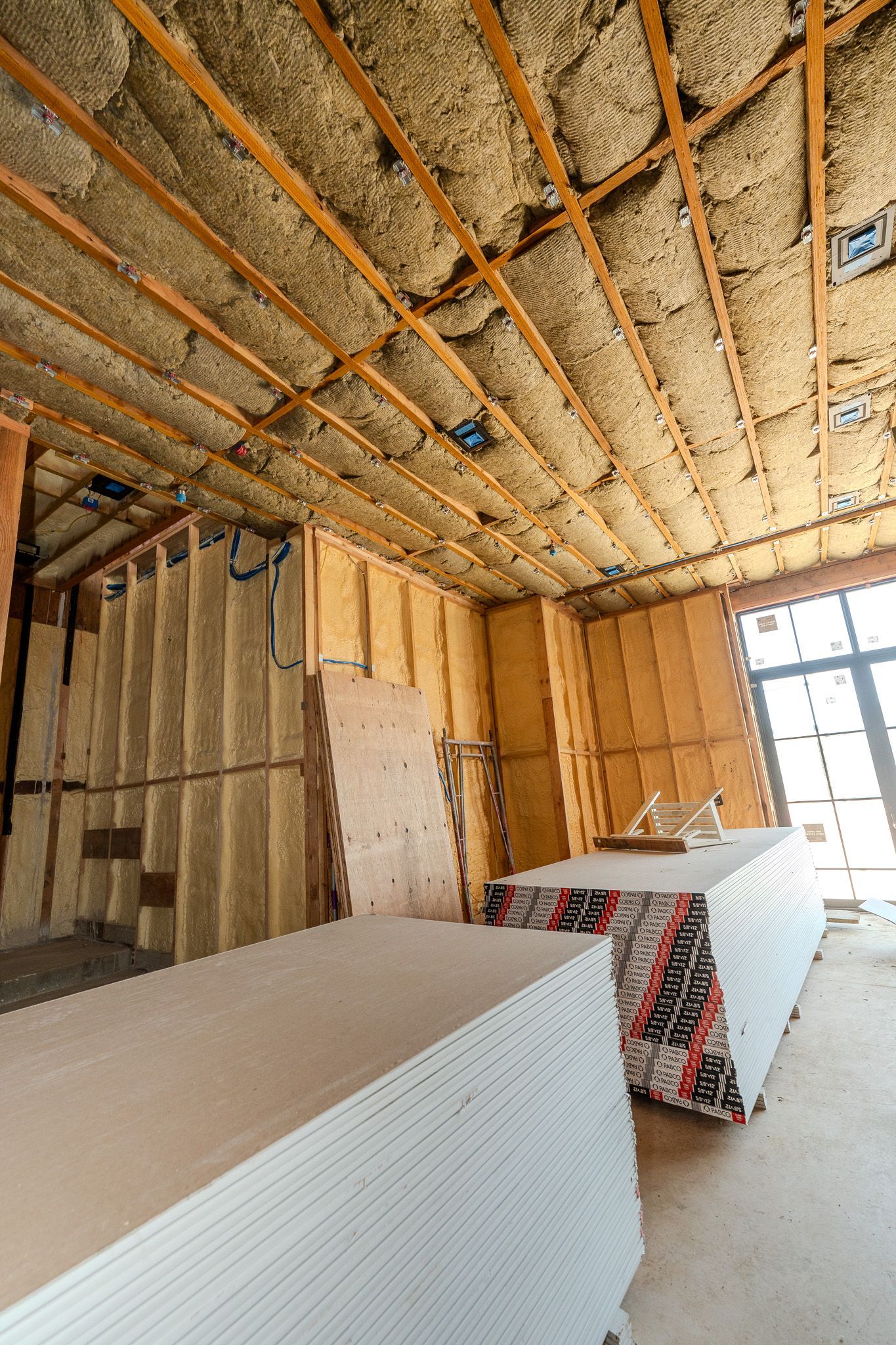
Professional installation ensures insulation fully fills each wall cavity without gaps, compression, or voids that can allow heat to bypass the insulation.


Proper installation includes:

  • Complete cavity coverage
  • Tight installation around wiring and plumbing
  • Minimal compression of insulation materials
  • Consistent insulation throughout exterior walls

Attention to detail during installation helps maximize both energy efficiency and long-term building performance.

R-Value and Energy Efficiency Go Hand in Hand

Many homeowners focus solely on insulation thickness, but true energy efficiency depends on the entire building envelope working together.


Proper insulation, air sealing, quality windows, and professional construction practices all contribute to reducing heat transfer and improving overall home performance.


When insulation is installed correctly with the appropriate R-value, homeowners benefit from:

  • Lower monthly utility bills
  • More comfortable indoor temperatures
  • Improved HVAC efficiency
  • Reduced environmental impact
  • Better year-round performance

Choosing the Right Insulation Contractor

Selecting the proper insulation material is only part of the process.


An experienced insulation contractor understands local building codes, recommended R-values, and proper installation techniques that maximize insulation performance.


Professional insulation installers evaluate your home's construction, insulation requirements, and energy efficiency goals before recommending the most effective solution.


Whether you're building a new home or upgrading an existing one, expert installation helps ensure your insulation performs exactly as intended.

Build a More Comfortable and Energy-Efficient Home

R-value plays a critical role in your home's comfort, energy efficiency, and long-term performance.


By selecting the appropriate insulation and ensuring it is professionally installed, homeowners can enjoy lower energy costs, improved indoor comfort, and greater confidence that their home is built to modern performance standards.


Investing in quality insulation today helps create a more efficient, comfortable, and durable home for years to come.

Frequently Asked Questions

  • 1. What does R-value mean in insulation?

    R-value measures an insulation material's ability to resist heat transfer. Higher R-values provide greater thermal resistance and improved energy efficiency.

  • 2. Why is R-value important for my home?

    The proper R-value helps maintain comfortable indoor temperatures, reduce energy costs, and improve the overall performance of your home's insulation system.

  • 3. Is a higher R-value always better?

    Not necessarily. The recommended R-value depends on your climate zone, building design, and local building codes. Installing the appropriate R-value is more important than simply choosing the highest available.

  • 4. What is R-23 fiberglass batt insulation?

    R-23 fiberglass batt insulation is designed for 2x6 wall cavities and provides the thermal resistance required for many residential exterior wall applications.

  • 5. Why is fiberglass batt insulation commonly used?

    Fiberglass batt insulation is durable, cost-effective, easy to install properly, and provides excellent thermal performance when fitted correctly.

  • 6. Can poor installation reduce insulation performance?

    Yes. Gaps, compression, and incomplete coverage can significantly reduce the effectiveness of insulation, regardless of its R-value.

  • 7. How does insulation improve energy efficiency?

    Insulation slows heat transfer, reducing the amount of energy needed to heat and cool your home throughout the year.

  • 8. Does insulation help lower utility bills?

    Yes. Properly installed insulation reduces heating and cooling demands, which can help decrease monthly energy costs.

  • 9. How do I know which R-value my home needs?

    A professional insulation contractor can evaluate your home's construction, local climate, and building code requirements to recommend the appropriate R-value.

  • 10. Should I hire a professional insulation contractor?

    Yes. Professional installation helps ensure your insulation meets code requirements, fully fills wall cavities, and delivers the energy efficiency and comfort it was designed to provide.

Share this article

Recent Posts

By Bay Area Insulation Services Inc. August 4, 2026
Learn why insulation plays a critical role in new construction, building performance, energy efficiency, and long-term homeowner comfort.
By Bay Area Insulation Services Inc. July 31, 2026
Learn why experienced insulation crews help keep construction projects on schedule through efficient coordination, quality installation, and inspection-ready results.
By Bay Area Insulation Services Inc. July 31, 2026
Learn how custom home insulation in Los Altos improves energy efficiency, comfort, and long-term performance with spray foam and fiberglass batt insulation.
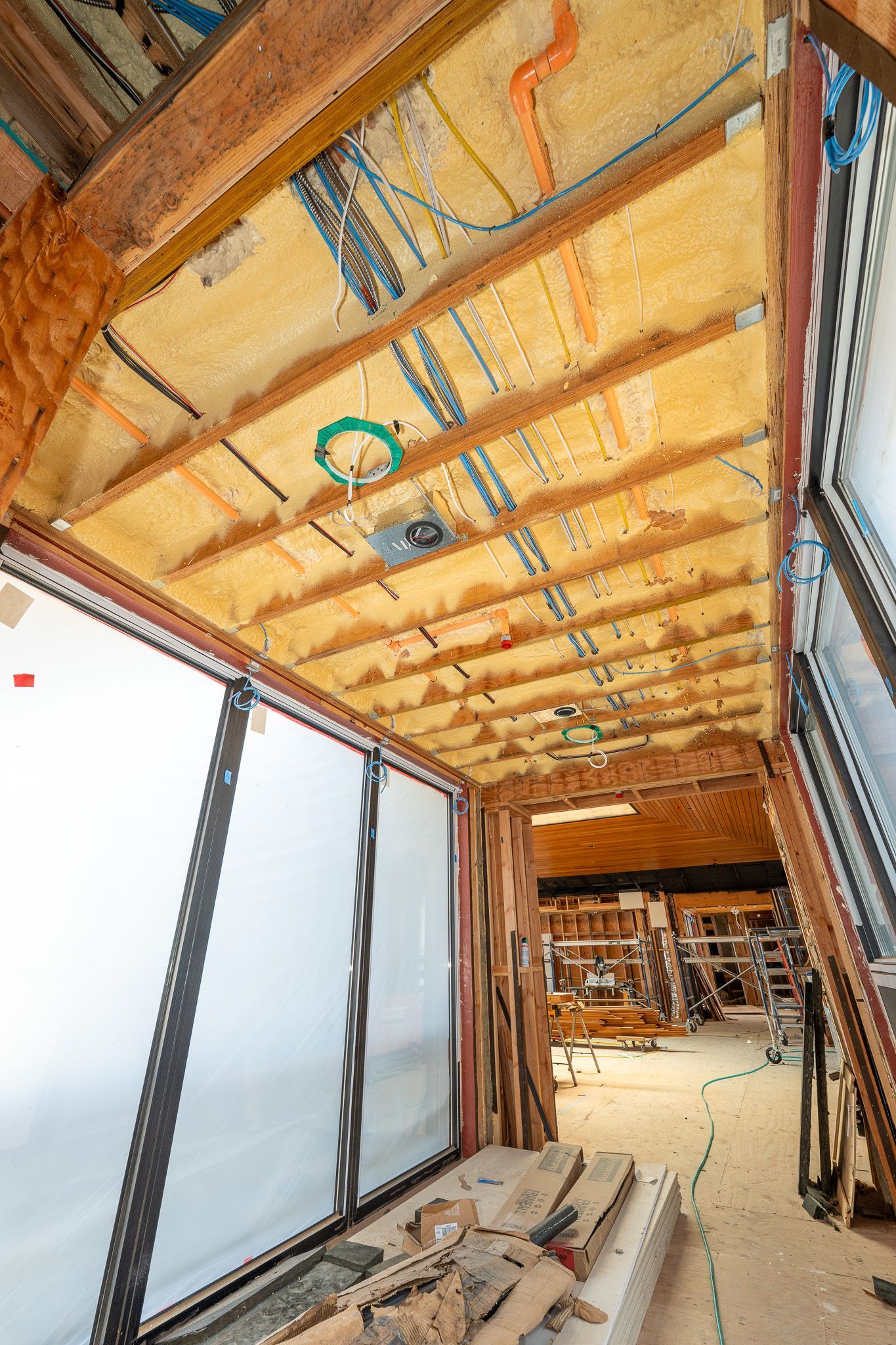
By Bay Area Insulation Services Inc. July 31, 2026
Learn how flash and batt insulation improves energy efficiency, moisture control, and indoor comfort for Bay Area homes, especially in coastal environments.
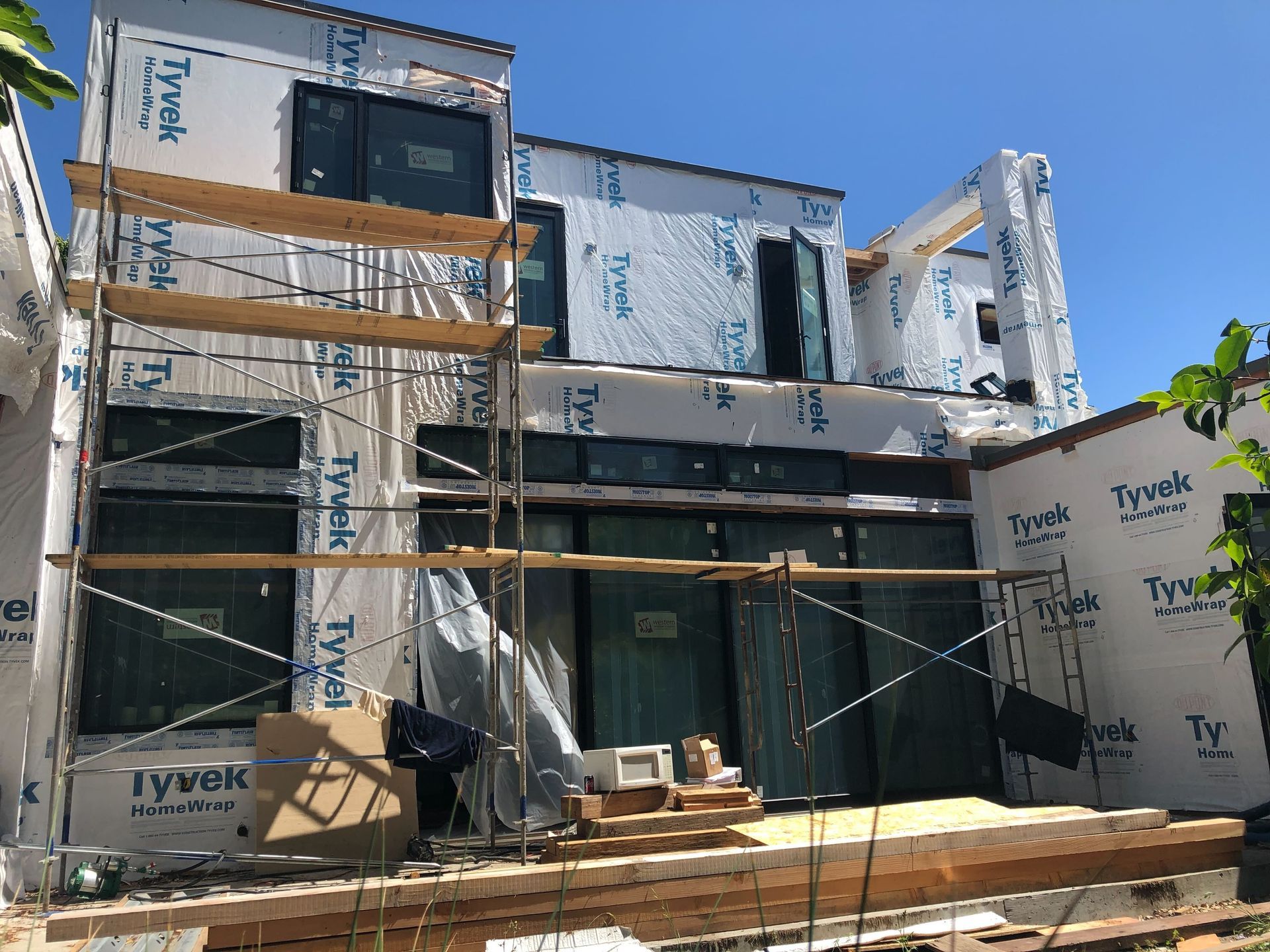
By Bay Area Insulation Services Inc. July 31, 2026
Learn how historic home insulation improves comfort, energy efficiency, and moisture control while preserving older homes throughout San Francisco.
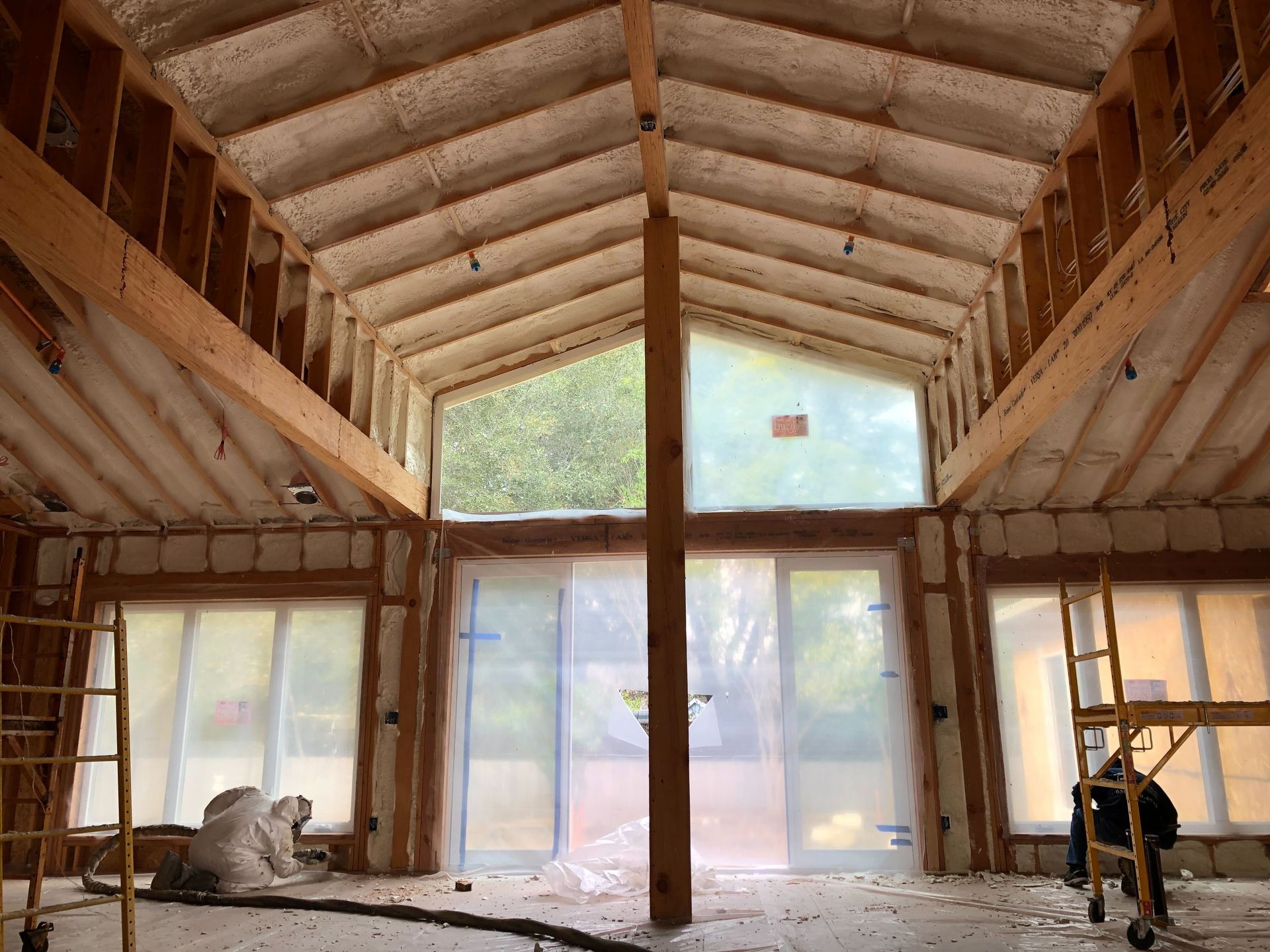
By Bay Area Insulation Services Inc. July 31, 2026
Learn how flash and batt insulation combines spray foam and fiberglass to improve energy efficiency, comfort, and long-term performance.
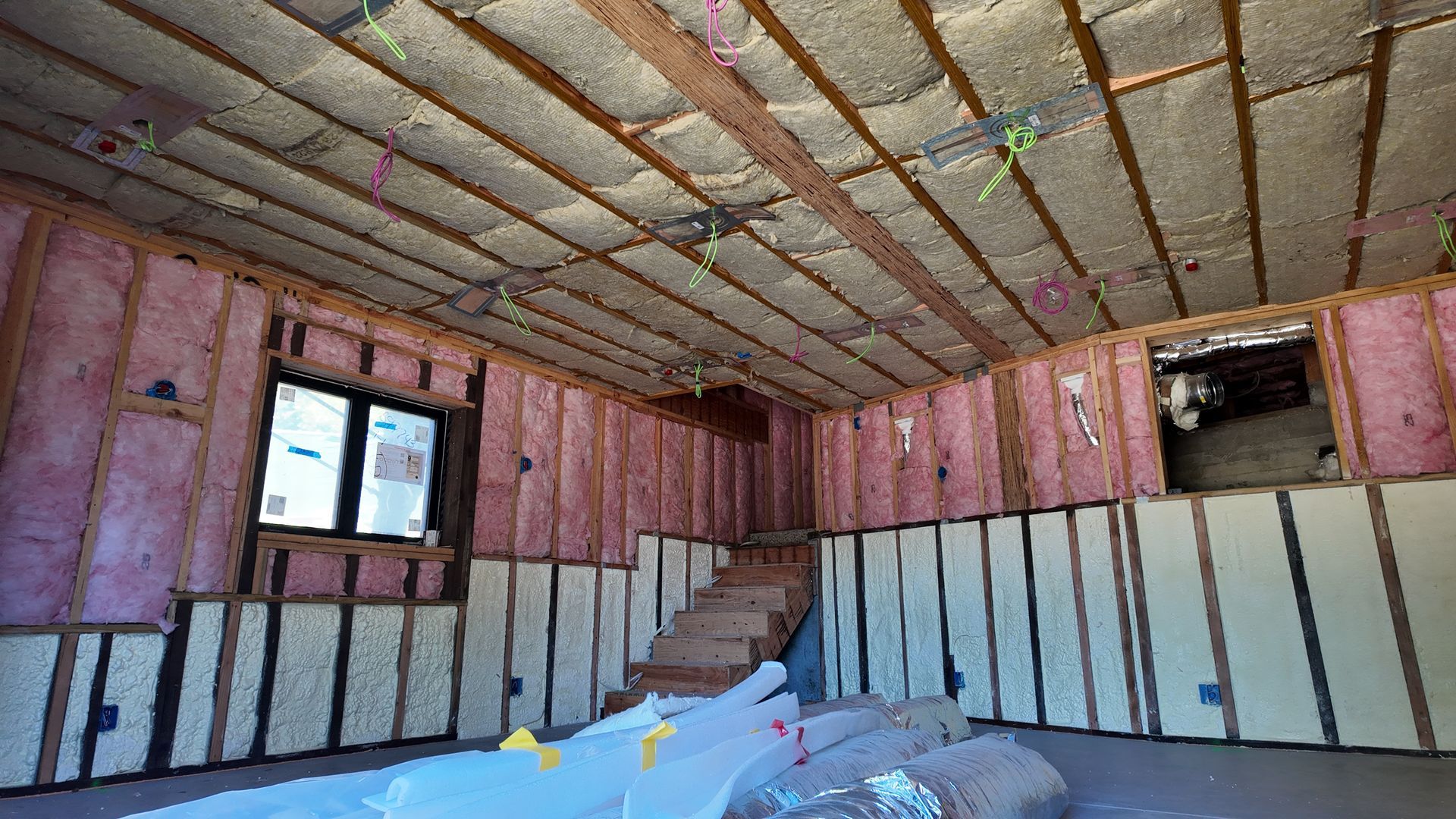
By Bay Area Insulation Services Inc. July 31, 2026
Learn how professional insulation installation improves energy efficiency, comfort, and long-term performance for homes and commercial buildings in the Bay Area.
Insulated attic roof with skylight and exposed wooden beams
By Bay Area Insulation Services Inc. May 14, 2026
Improve comfort with attic insulation Fremont services designed for better energy efficiency and consistent indoor temperatures.
Exposed ceiling insulation and wooden beams in an unfinished attic or roof structure
By Bay Area Insulation Services Inc. May 14, 2026
Improve comfort with spray foam insulation Fremont services designed for energy efficiency and reliable coverage.