Flash and Batt Insulation Benefits
Looking for Better Insulation Performance?
Choosing the right insulation system is one of the most important decisions homeowners can make during a new construction or renovation project. The insulation you install affects your home's comfort, energy efficiency, indoor air quality, and long-term durability.
For homes throughout the Bay Area, especially those located near the coast, insulation must do more than regulate temperature. It also needs to reduce air leakage, manage moisture, and protect the home from changing weather conditions.
That's why many homeowners and builders are choosing flash and batt insulation, a hybrid insulation system that combines the strengths of spray foam insulation and fiberglass batt insulation.
Why Coastal Homes Require More Than Traditional Insulation
Homes located near the beach face unique environmental challenges.
The Bay Area's coastal climate brings cool marine air, higher humidity, and frequent temperature changes that can lead to condensation inside walls and ceilings if insulation is not installed correctly.
Without proper air sealing and moisture protection, homeowners may experience:
- Drafts and uneven temperatures
- Higher heating and cooling costs
- Moisture buildup inside wall cavities
- Increased risk of mold and mildew
- Reduced insulation performance over time
A high-performance insulation system helps address all of these concerns while improving overall home efficiency.
What Is Flash and Batt Insulation?
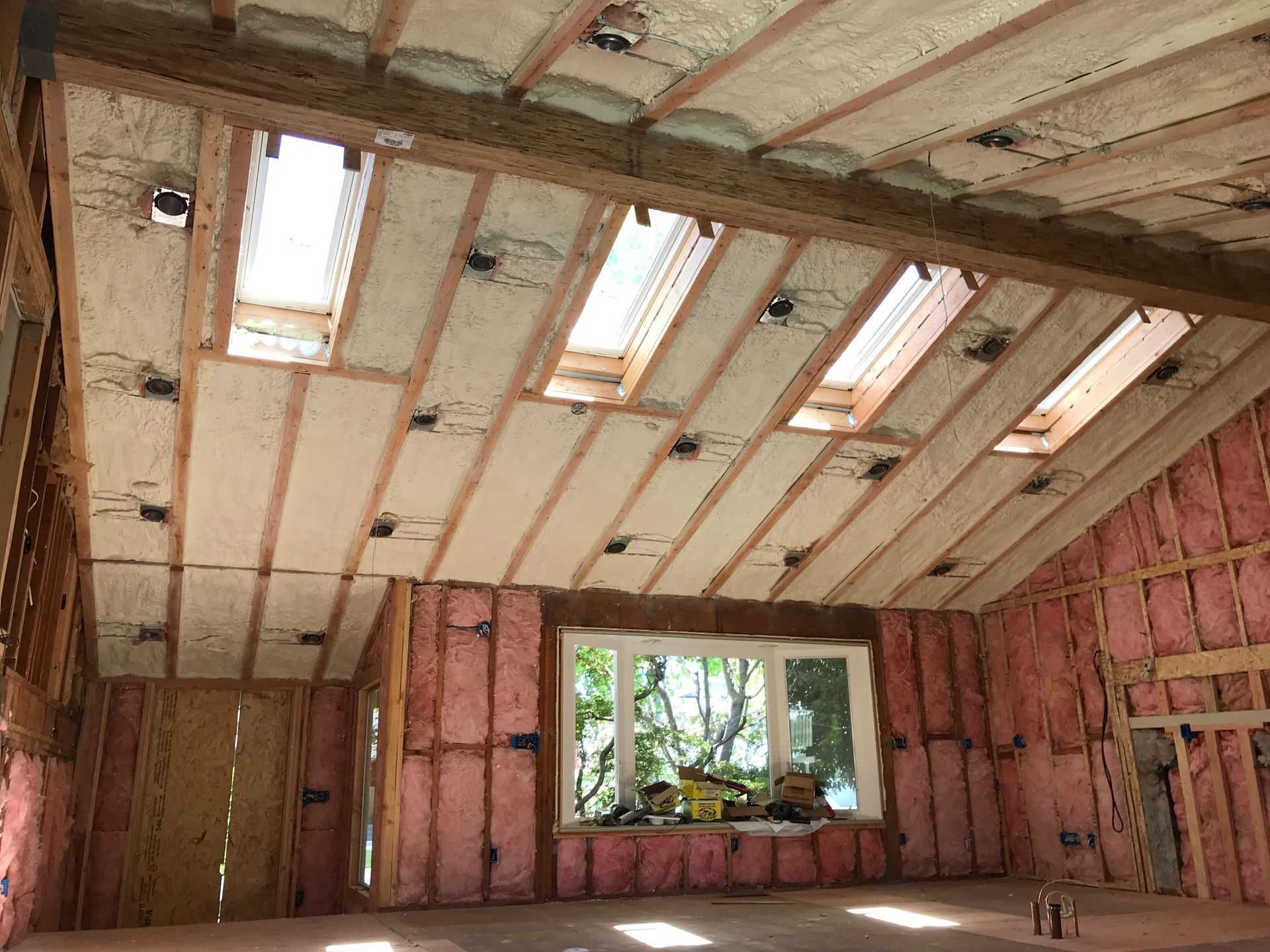
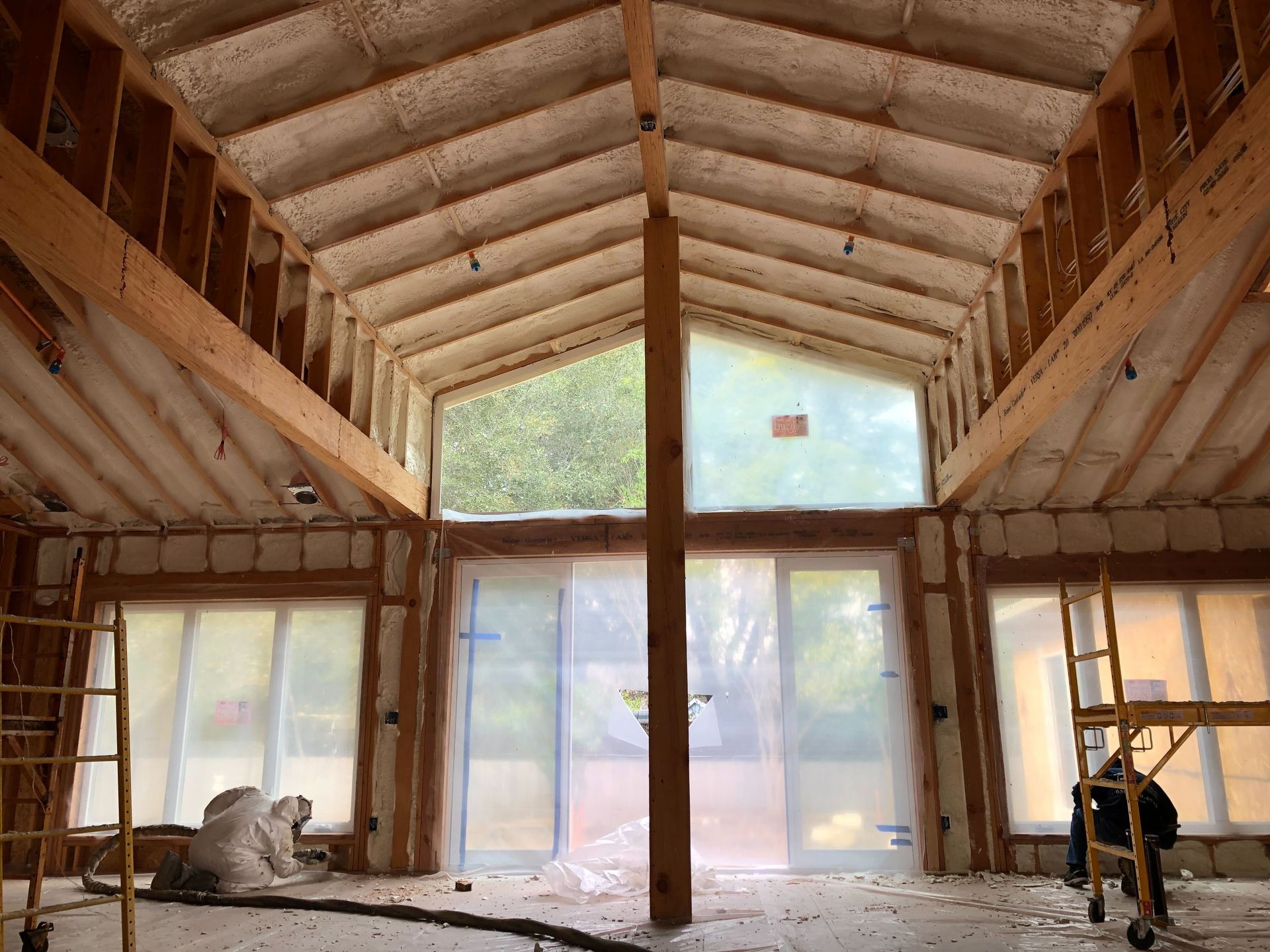
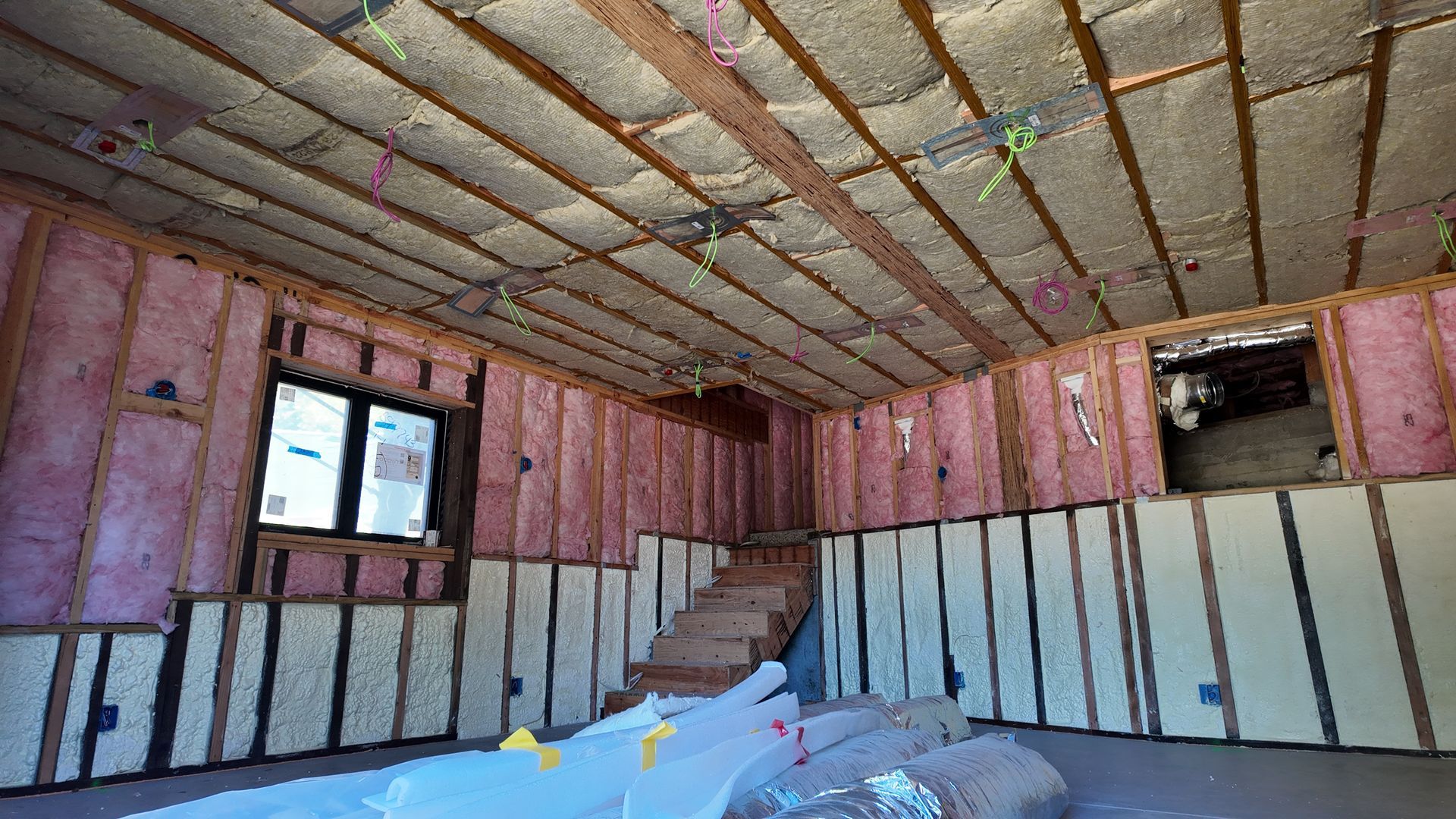
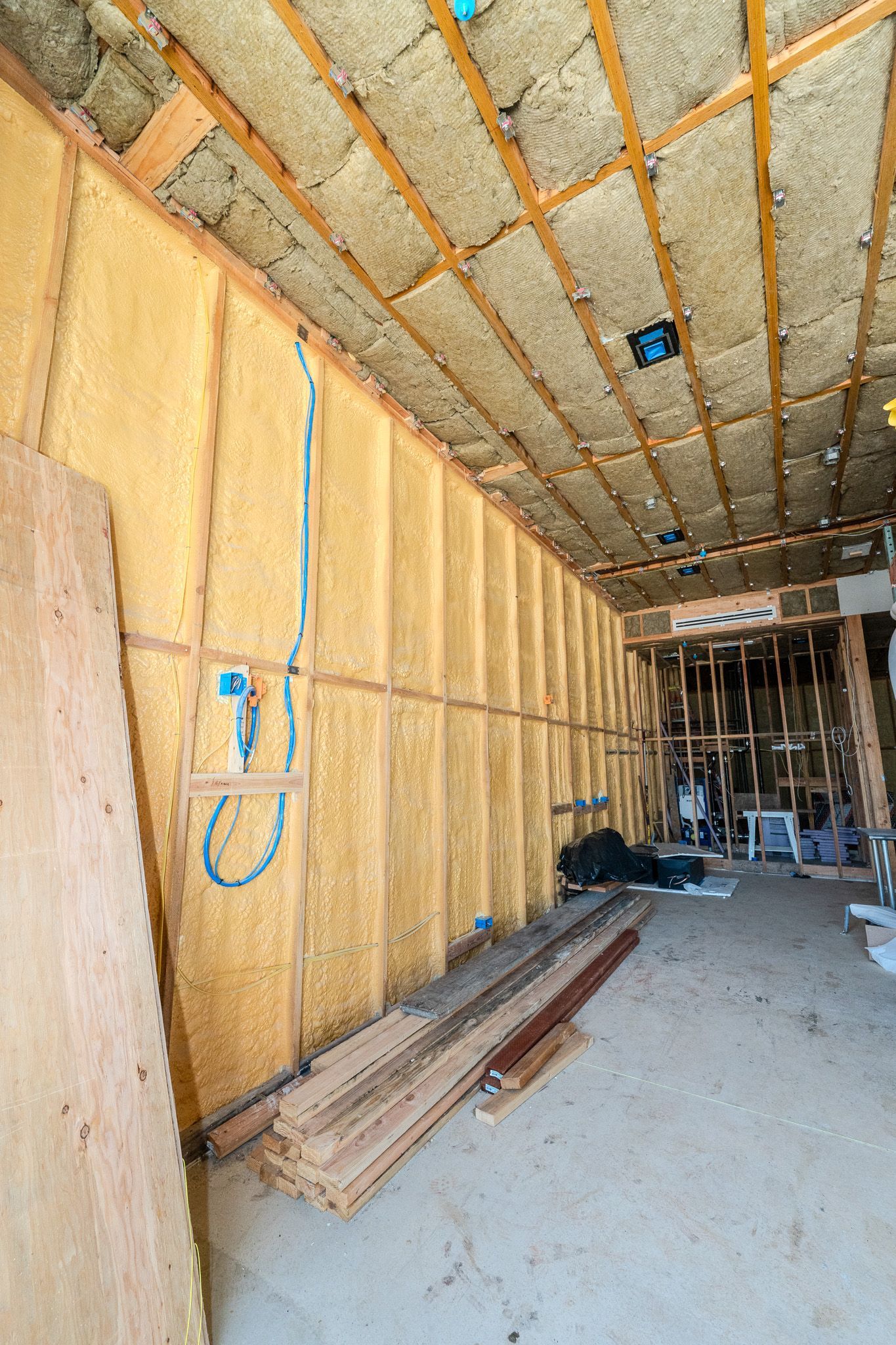
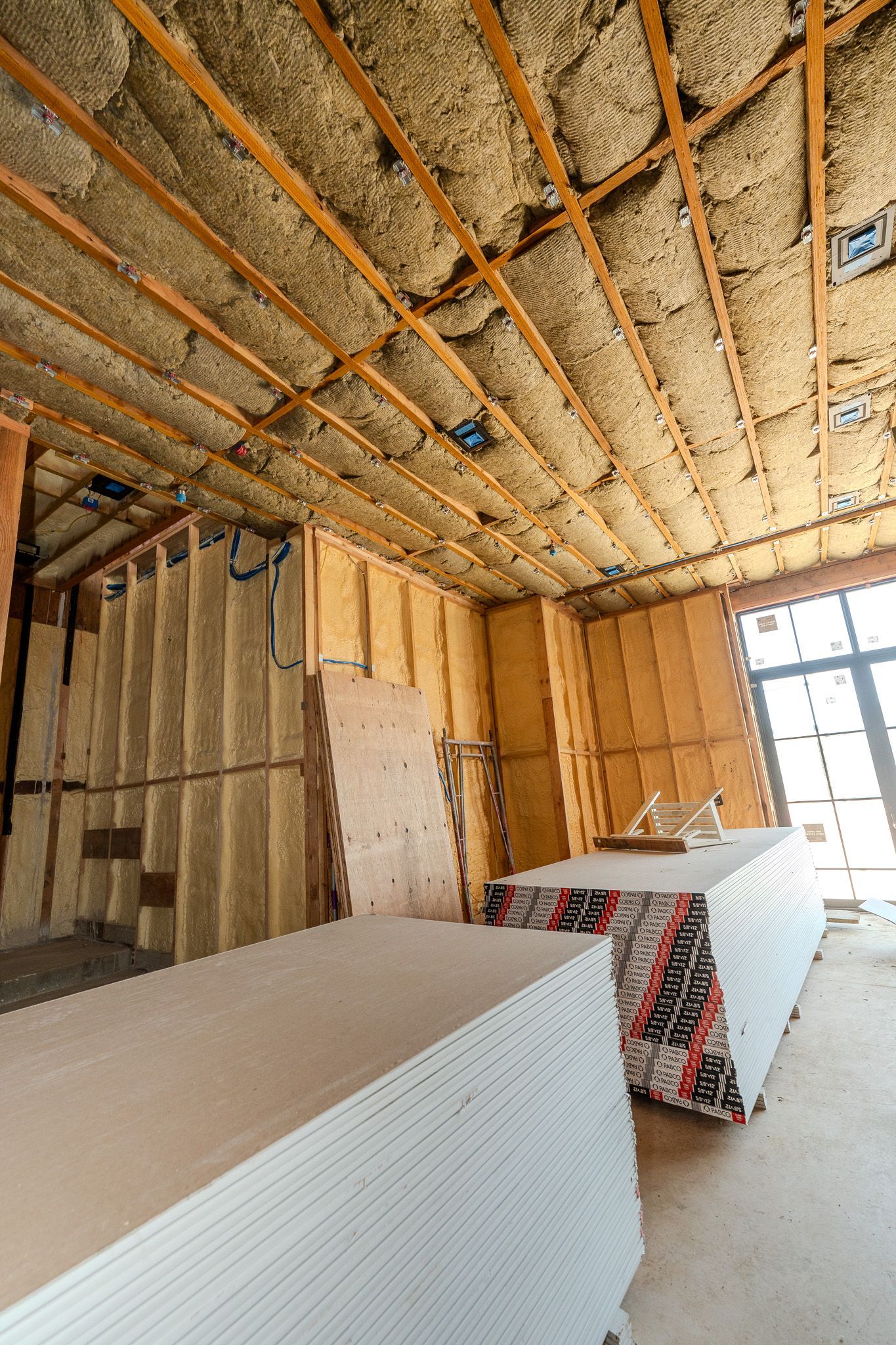
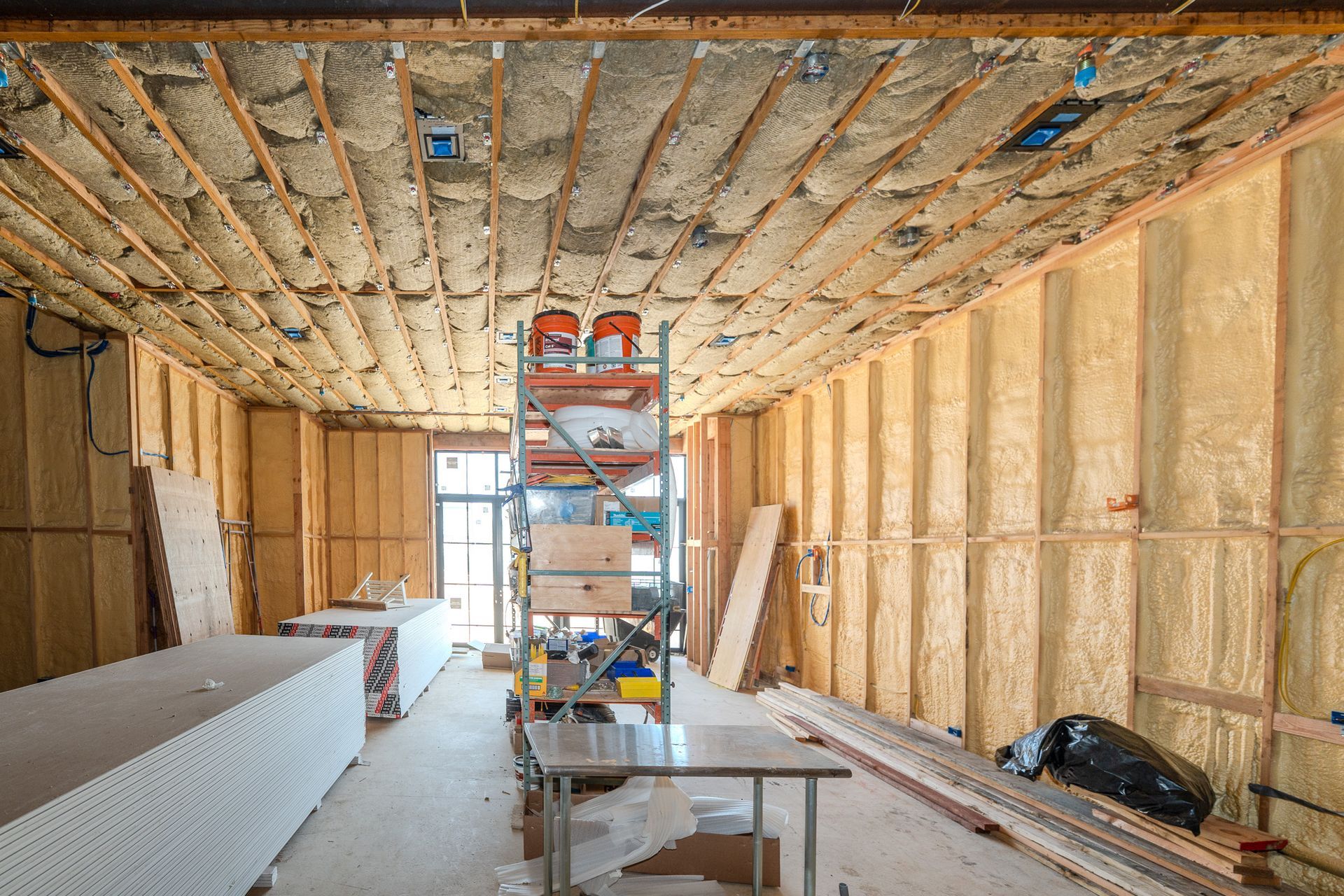
Flash and batt insulation is a hybrid insulation system that combines a thin layer of closed cell spray foam insulation with fiberglass batt insulation.
The installation process typically includes:
- Applying one to three inches of closed cell spray foam.
- Sealing air leaks and penetrations throughout the building envelope.
- Installing fiberglass batt insulation over the spray foam to achieve the required R-value.
By combining two insulation materials, homeowners receive the air sealing benefits of spray foam along with the thermal performance and cost-effectiveness of fiberglass insulation.
Why Closed Cell Spray Foam Comes First
Closed cell spray foam serves as the foundation of the flash and batt system.
Its primary purpose is to create a continuous air barrier that seals gaps, cracks, and penetrations where conditioned air could escape.
The spray foam also functions as an effective moisture barrier, making it particularly valuable for homes located near the ocean or other high-humidity environments.
Some of the biggest advantages include:
- Reduced air leakage
- Better moisture protection
- Increased structural rigidity
- Improved indoor comfort
- Enhanced energy efficiency
This layer creates a stronger building envelope before fiberglass insulation is installed.
Fiberglass Batt Increases Thermal Performance
Once the spray foam has created an airtight seal, fiberglass batt insulation is installed to maximize thermal resistance.
Fiberglass batt insulation helps homeowners:
- Improve year-round comfort
- Increase the home's overall R-value
- Reduce energy consumption
- Lower heating and cooling costs
- Maintain consistent indoor temperatures
Together, spray foam and fiberglass create a balanced insulation system that performs better than fiberglass insulation alone.
Why Unvented Ceilings Need Moisture Protection
Flat, unvented ceilings require special attention because they have limited airflow compared to vented attic systems.
Without proper insulation, warm indoor air can meet cooler surfaces and create condensation inside the ceiling assembly.
For many unvented ceiling applications, installers use approximately three inches of closed cell spray foam before adding fiberglass insulation.
This approach helps:
- Prevent condensation
- Reduce moisture intrusion
- Improve thermal performance
- Protect structural framing
- Increase long-term durability
Proper insulation is essential for protecting these enclosed building assemblies.
The Long-Term Benefits of Flash and Batt Insulation
Flash and batt insulation provides advantages that extend well beyond energy savings.
Homeowners often experience:
Lower Energy Bills
Reduced air leakage allows heating and cooling systems to operate more efficiently, helping lower monthly utility costs.
Higher R-Value
Combining spray foam with fiberglass batt insulation provides greater thermal performance than fiberglass insulation by itself.
Better Moisture Control
The spray foam layer helps reduce moisture infiltration, protecting the home's walls and ceilings from condensation.
Improved Indoor Comfort
Consistent indoor temperatures make living spaces more comfortable throughout every season.
Increased Home Value
Energy-efficient upgrades continue to be attractive features for today's homebuyers and may contribute to increased property value over time.
Is Flash and Batt Insulation Right for Your Home?
Flash and batt insulation is an excellent option for:
- New home construction
- Custom homes
- Coastal properties
- Luxury residences
- Major home renovations
- Homes with unvented ceiling assemblies
Because every home is different, working with an experienced insulation contractor ensures the system is properly designed for your specific construction and climate conditions.
Invest in an Insulation System Built for Long-Term Performance
Insulation should do more than simply fill a wall cavity. It should improve comfort, reduce energy waste, manage moisture, and protect your investment for years to come.
Flash and batt insulation offers homeowners a practical solution that combines the air sealing benefits of spray foam insulation with the proven thermal performance of fiberglass batt insulation.
Whether you're building a new home or upgrading an existing property, choosing the right insulation system can deliver lasting comfort, energy savings, and peace of mind.
Frequently Asked Questions
1. What is flash and batt insulation?
Flash and batt insulation is a hybrid insulation system that combines closed cell spray foam insulation with fiberglass batt insulation to improve air sealing, thermal performance, and energy efficiency.
2. Why is flash and batt insulation better than fiberglass alone?
Spray foam seals air leaks while fiberglass batt insulation adds thermal resistance, creating a more efficient insulation system than fiberglass by itself.
3. Is flash and batt insulation good for coastal homes?
Yes. Flash and batt insulation helps control moisture, reduce air leakage, and improve energy efficiency, making it an excellent choice for homes near the coast.
4. What are the benefits of closed cell spray foam insulation?
Closed cell spray foam provides superior air sealing, moisture resistance, structural reinforcement, and improved energy efficiency.
5. Why is moisture control important in the Bay Area?
The Bay Area's marine climate can introduce humidity and condensation into homes. Proper insulation helps protect the building envelope from moisture-related issues.
6. What R-value does flash and batt insulation provide?
The total R-value depends on the thickness of the spray foam and fiberglass batt insulation selected for the project and the applicable building code requirements.
7. Is flash and batt insulation suitable for unvented ceilings?
Yes. Flash and batt insulation is commonly used in unvented ceiling assemblies because the spray foam helps reduce condensation and moisture buildup.
8. Will flash and batt insulation lower my energy bills?
Properly installed flash and batt insulation can reduce heating and cooling costs by minimizing air leakage and improving the home's thermal performance.
9. Can flash and batt insulation increase home value?
Energy-efficient insulation upgrades can improve indoor comfort, reduce operating costs, and make a home more attractive to future buyers.
10. When should I choose flash and batt insulation?
Flash and batt insulation is an excellent option for new construction, custom homes, coastal properties, luxury homes, and major renovation projects where energy efficiency and moisture control are priorities.