Historic Home Insulation in San Francisco: Preserving Comfort and Character
Why Historic Homes Need a Different Insulation Approach
Historic homes are some of the most beautiful properties in San Francisco, showcasing timeless architecture and exceptional craftsmanship. However, many of these homes were built long before modern energy codes and insulation standards existed. As a result, homeowners often deal with uncomfortable drafts, inconsistent indoor temperatures, high energy bills, and moisture-related issues.
Upgrading insulation in a historic home is not as simple as installing new material behind the walls. Every project requires careful planning to improve comfort and energy efficiency while preserving the home's original structure and character.
Whether you're restoring a Victorian, renovating a mid-century estate, or modernizing a luxury coastal home, choosing the right insulation system can make a significant difference in your home's long-term performance.
The Unique Challenges of Historic Home Insulation
Older homes present challenges that newer homes simply do not have.
Historic properties often include:
- Original framing and wall assemblies
- Limited space for insulation
- Aging construction materials
- Irregular floor plans
- Existing air leakage
- Greater exposure to moisture in coastal environments
Because every historic home is different, insulation should never be treated as a one-size-fits-all solution. A properly designed system considers the home's construction, ventilation, moisture management, and overall building performance.
Modernizing a Historic San Francisco Estate
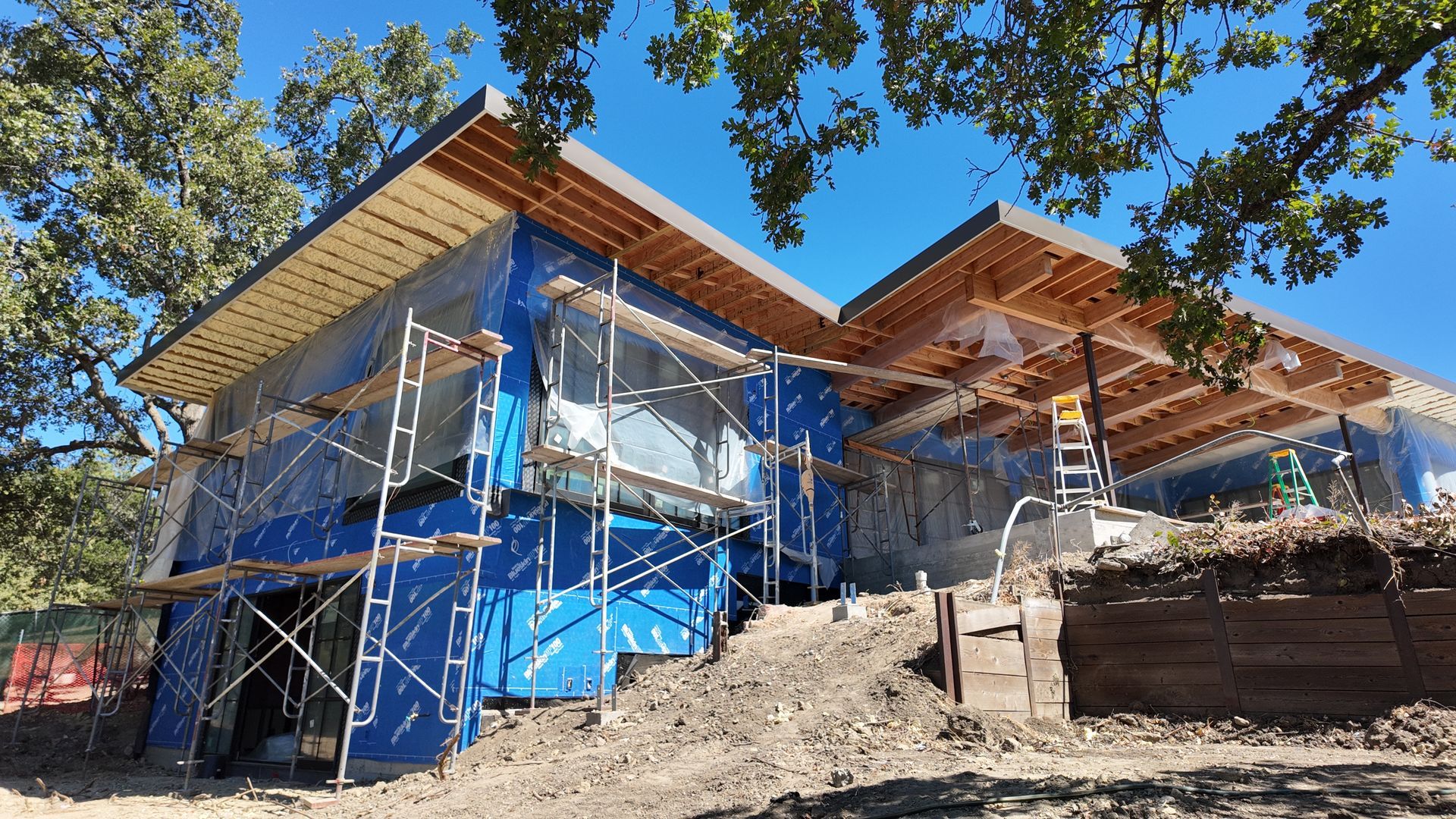
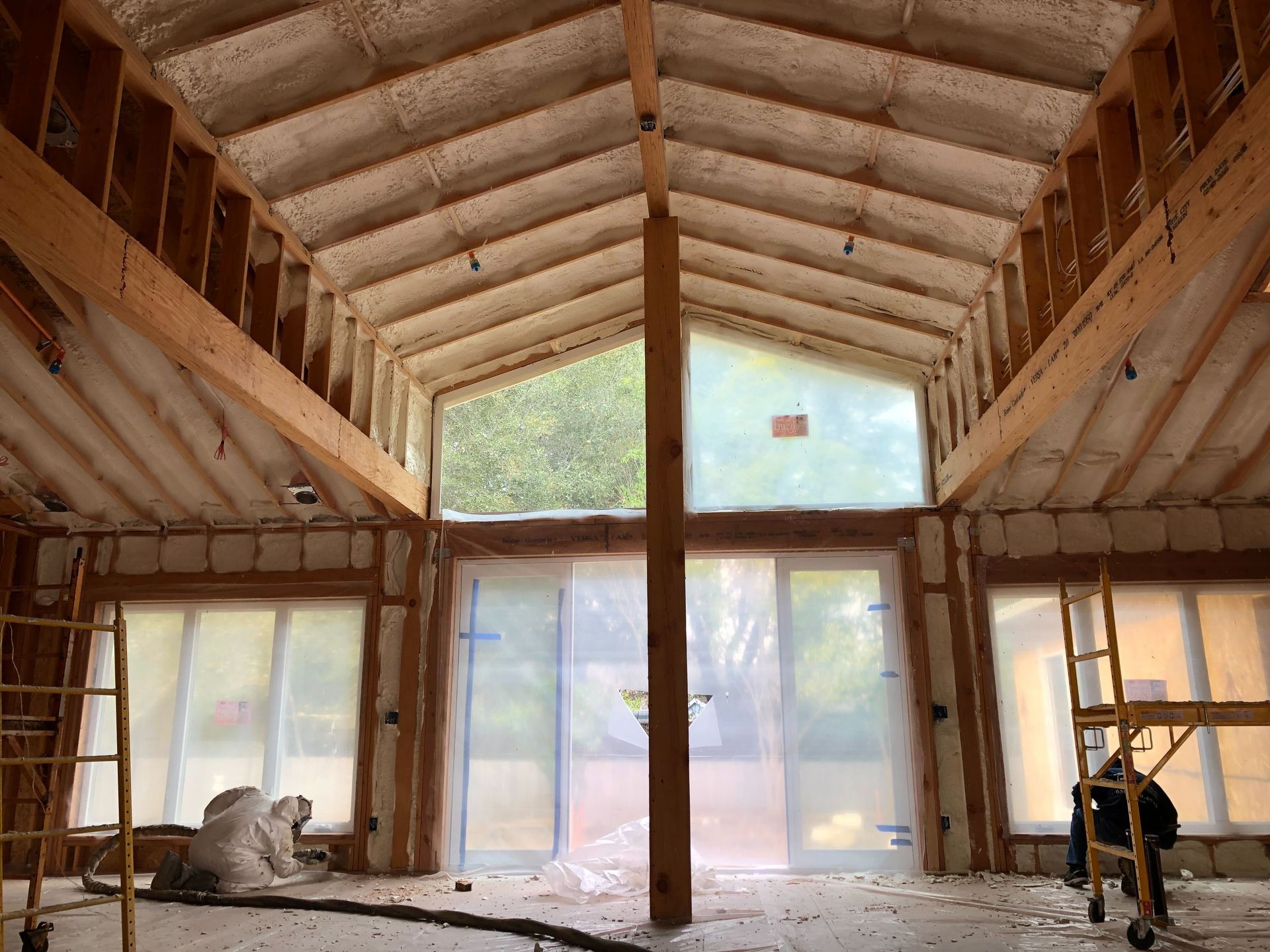
One recent insulation project involved a remarkable estate home located in one of San Francisco's historic neighborhoods overlooking Baker Beach and the Golden Gate Bridge.
The residence spans more than 3,400 square feet and represents over a century of architectural history. While the home retained its timeless character, the insulation system needed to be upgraded to meet modern expectations for comfort and energy efficiency.
Projects like this demonstrate how older homes can benefit from today's insulation technology without sacrificing their architectural integrity.
Why Flash and Batt Insulation Is an Ideal Solution
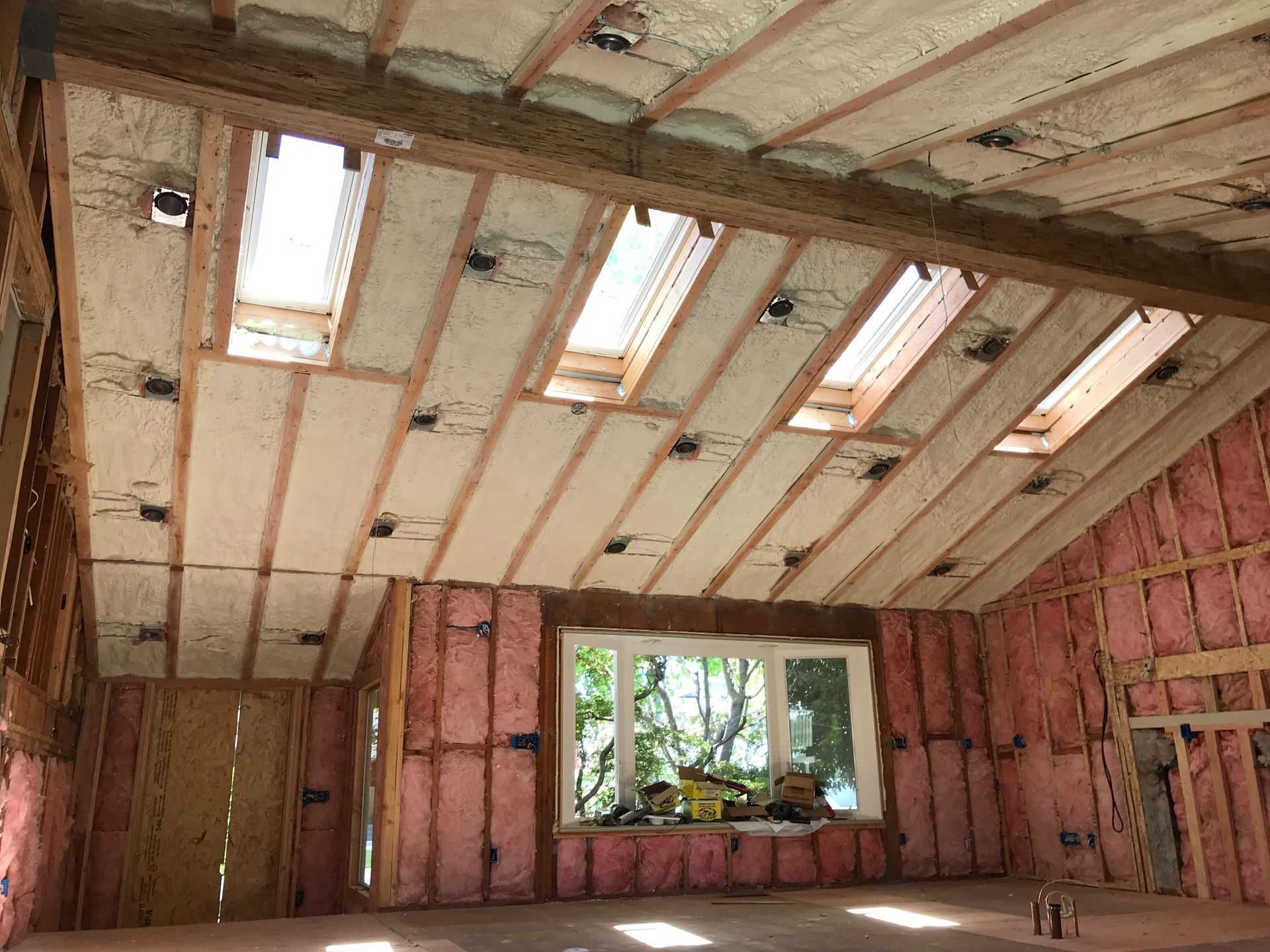
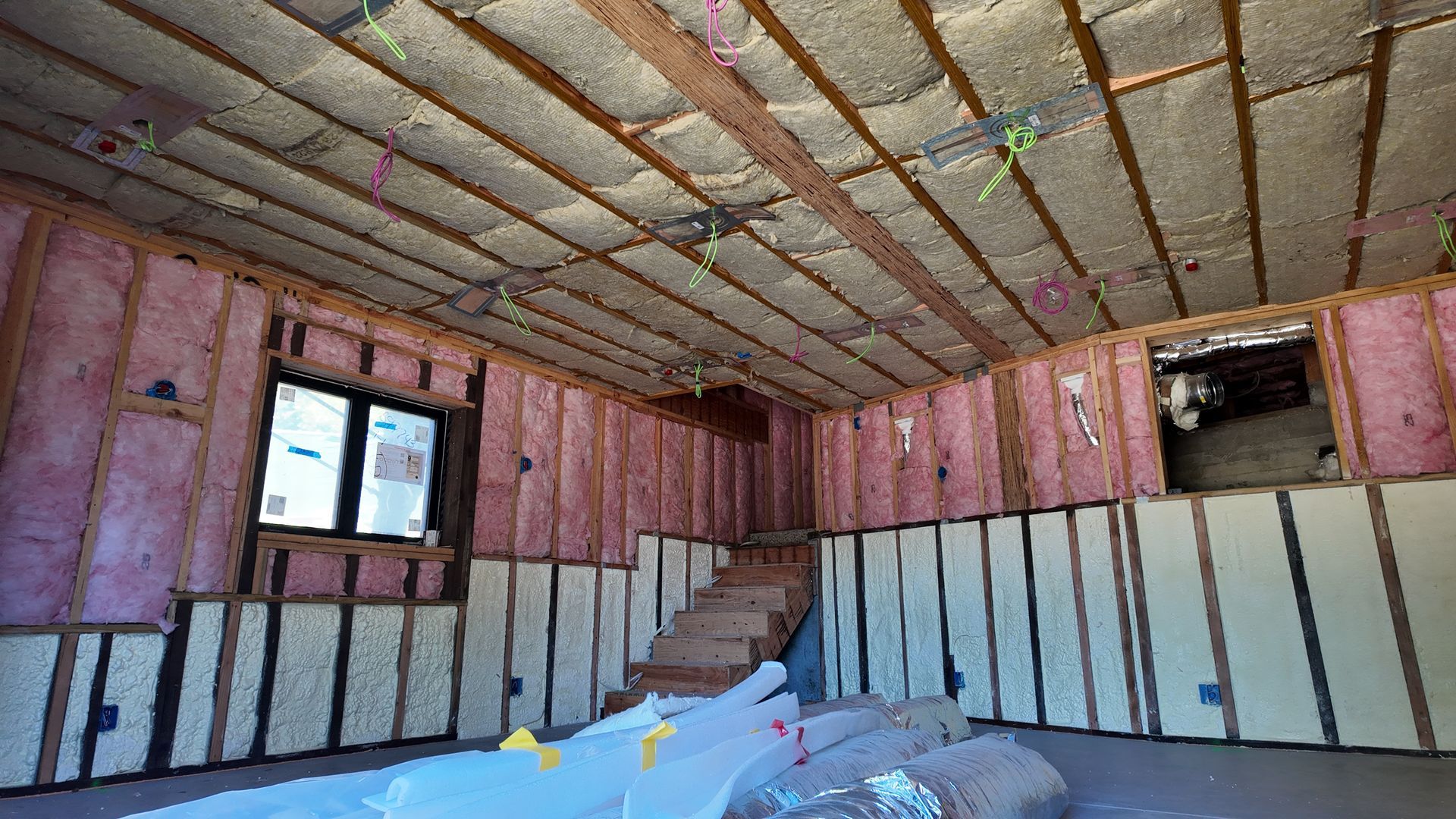
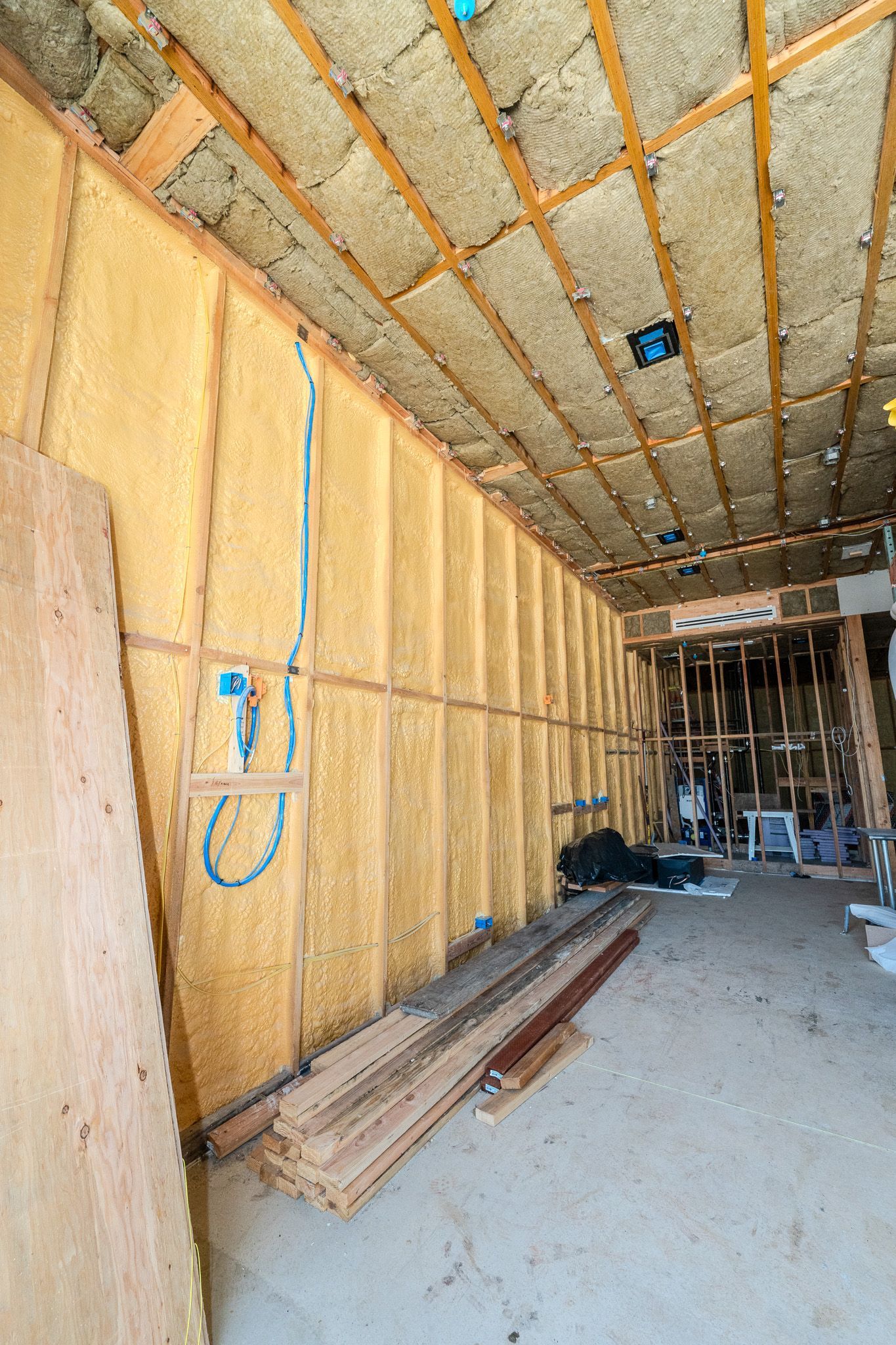
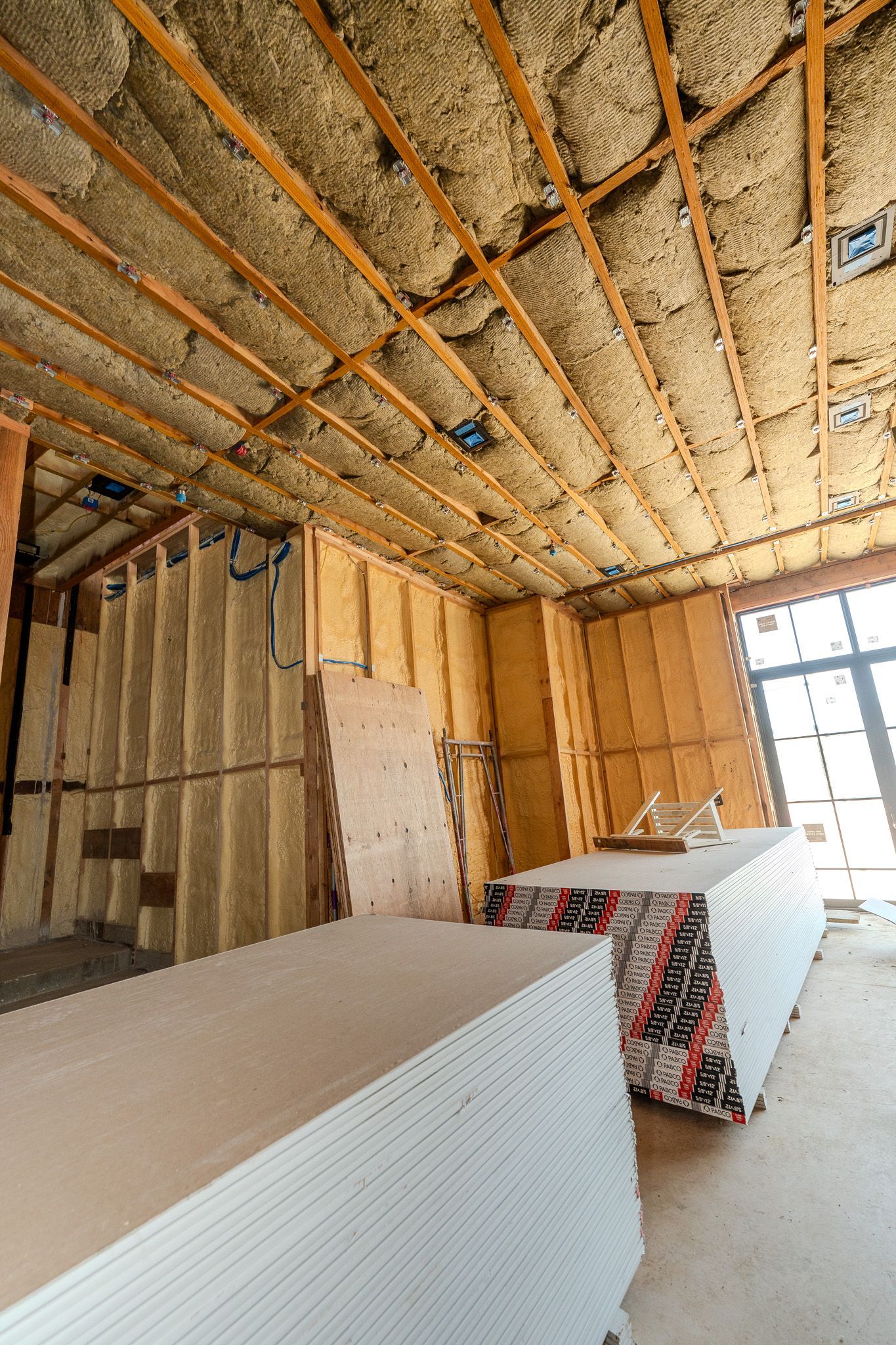
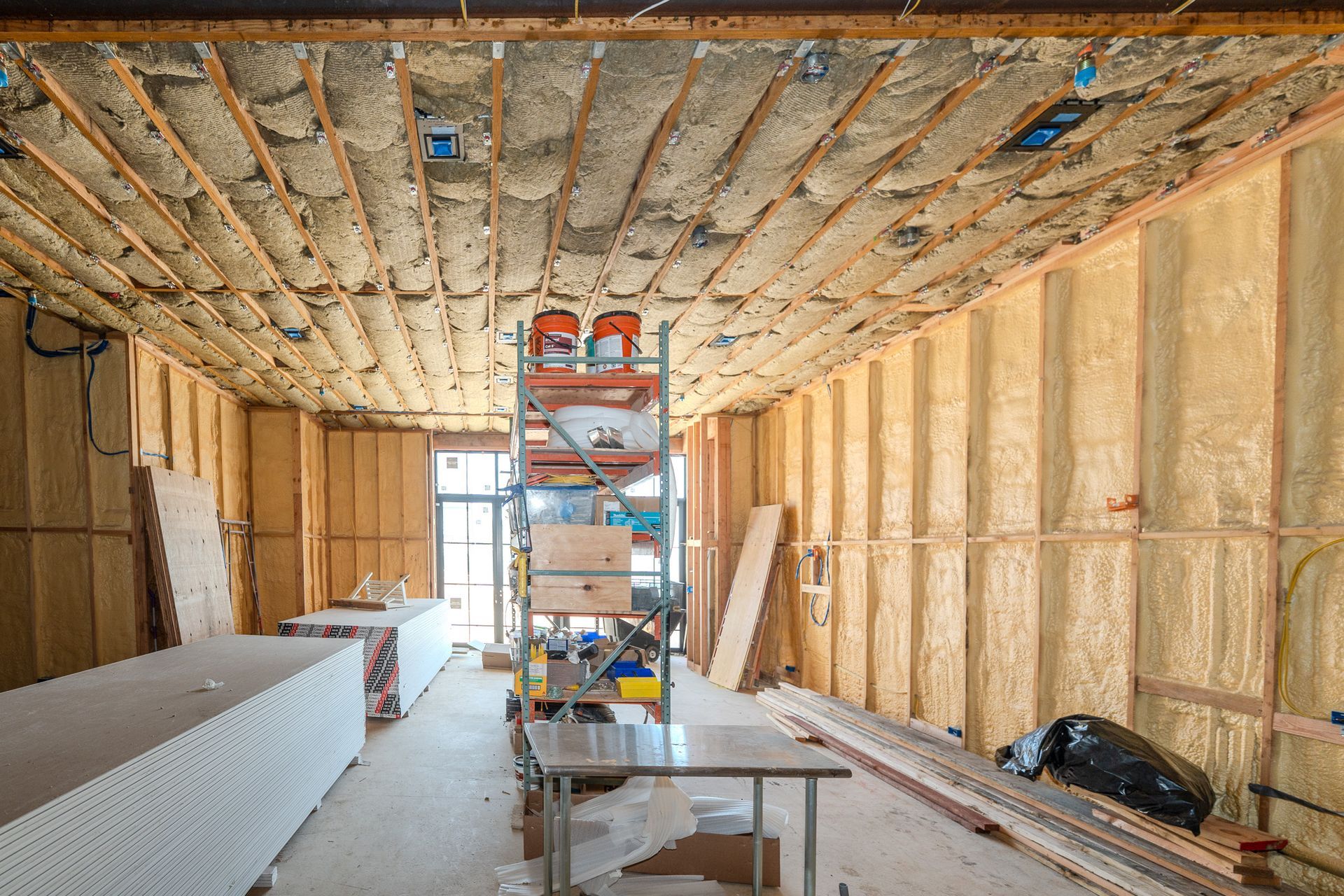
For this historic renovation, a flash and batt insulation system was selected because it delivers exceptional performance while working well within existing wall assemblies.
Flash and batt combines two insulation products that work together:
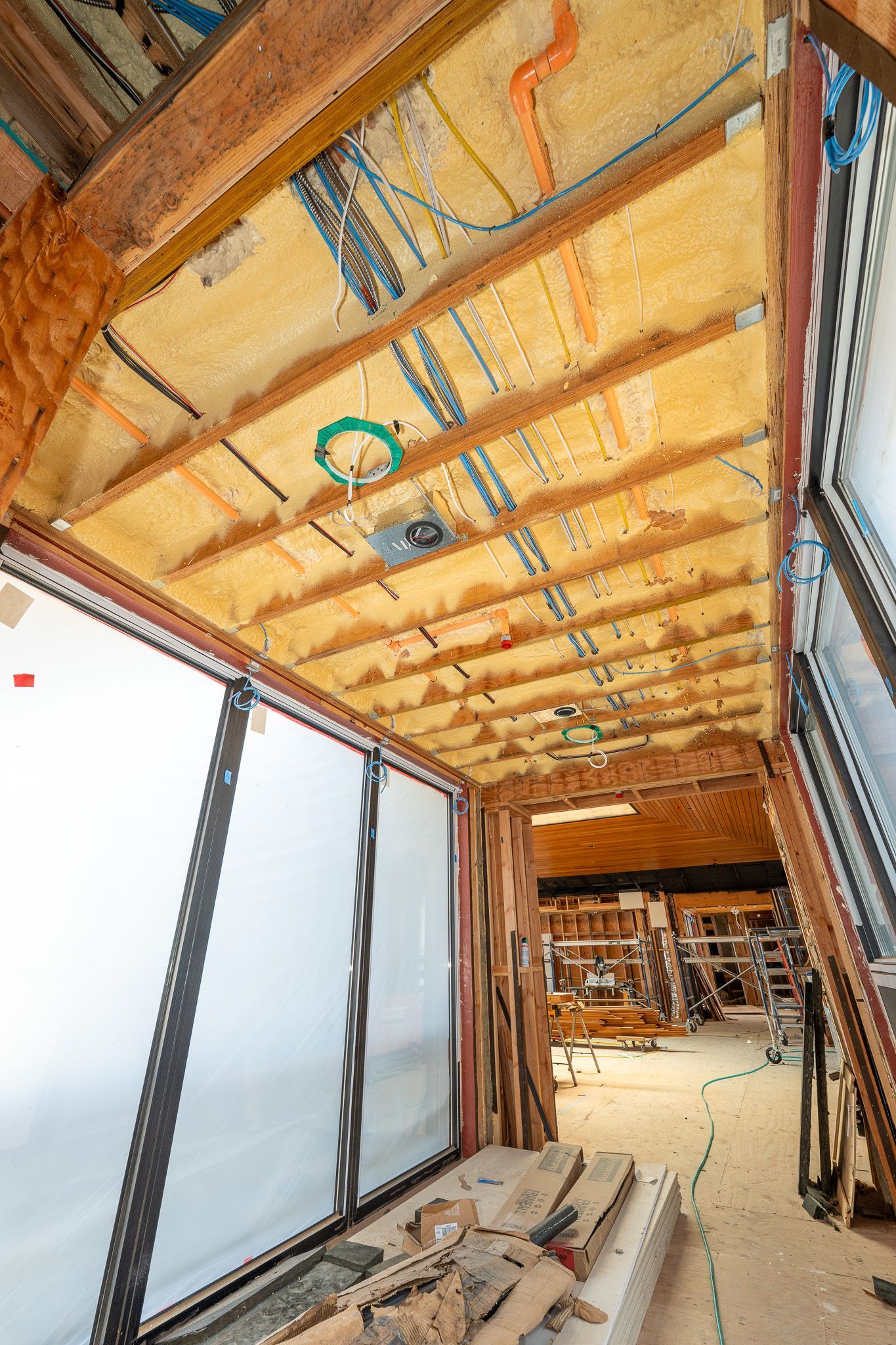
- Spray foam insulation creates an air seal that minimizes unwanted air leakage.
- Fiberglass batt insulation adds thermal resistance to achieve the desired R-value.
By combining these materials, homeowners benefit from better indoor comfort, improved energy efficiency, and enhanced moisture control.
Hybrid insulation systems like flash and batt have become a popular choice for custom homes, luxury renovations, and historic home upgrades because they maximize performance without requiring excessive wall modifications.
Air Sealing Improves Energy Efficiency
One of the largest sources of energy loss in older homes is uncontrolled air leakage.
Small gaps around framing, plumbing penetrations, electrical openings, and other building components allow conditioned air to escape throughout the year.
Spray foam insulation seals these gaps, helping homeowners enjoy:
- More consistent indoor temperatures
- Reduced drafts
- Improved HVAC efficiency
- Lower energy consumption
- Better indoor comfort
- Increased overall building performance
Air sealing is often one of the most valuable improvements made during a historic home renovation.
Fiberglass Batt Adds Reliable Thermal Protection
- Excellent thermal performance
- Improved year-round temperature control
- Higher overall insulation value
- Reduced heating and cooling costs
- Long-lasting durability
When combined with spray foam, fiberglass batt helps create a balanced insulation system that performs efficiently in every season.
Moisture Control Is Critical for Coastal Homes
Many historic homes throughout San Francisco are located near the coast, where marine air and changing temperatures can create moisture challenges.
Without proper insulation, condensation can develop inside wall assemblies, potentially leading to mold growth or long-term structural damage.
A professionally designed insulation system helps:
- Reduce moisture buildup
- Control condensation
- Protect structural framing
- Improve indoor air quality
- Increase the lifespan of the home's building materials
Managing moisture is just as important as improving thermal performance, particularly in coastal environments.
Why Experience Matters When Insulating Historic Homes
Historic homes require specialized knowledge and attention to detail.
An experienced insulation contractor understands how to evaluate:
- Existing construction methods
- Building envelope performance
- Ventilation requirements
- Air leakage locations
- Moisture management
- Appropriate insulation materials
Every recommendation should be tailored to the home's specific construction rather than relying on a standard insulation package.
Invest in Comfort While Preserving History
Upgrading insulation is one of the most effective ways to improve the comfort, efficiency, and longevity of a historic home.
With the right insulation system, homeowners can reduce energy costs, enjoy more consistent indoor temperatures, and better protect their property from moisture without compromising the character that makes older homes so unique.
Whether you're restoring a historic estate, renovating a coastal residence, or updating a family home, investing in professional insulation helps ensure your property remains comfortable and energy efficient for generations to come.
Frequently Asked Questions
1. What is the best insulation for historic homes?
Flash and batt insulation is one of the best options because it combines spray foam air sealing with fiberglass batt insulation to improve comfort, energy efficiency, and moisture control.
2. Can you insulate a historic home without damaging it?
Yes. An experienced insulation contractor can install modern insulation systems while preserving the home's original structure and architectural features.
3. What is flash and batt insulation?
Flash and batt is a hybrid insulation system that combines spray foam insulation with fiberglass batt insulation to provide superior air sealing and thermal performance.
4. Why do older homes lose so much heat?
Many older homes were built before modern insulation standards and contain air leaks or little existing insulation, allowing heat to escape more easily.
5. Is spray foam insulation good for historic homes?
When properly installed, spray foam insulation is an excellent solution for reducing air leakage while improving overall energy efficiency.
6. How does insulation improve indoor comfort?
Proper insulation helps eliminate drafts, maintain consistent temperatures, reduce HVAC workload, and improve overall comfort throughout the home.
7. Why is moisture control important in coastal homes?
Coastal homes experience higher humidity and changing temperatures, making moisture management essential for protecting walls, framing, and indoor air quality.
8. Will adding insulation reduce my energy bills?
Yes. Proper insulation reduces heat transfer, allowing heating and cooling systems to operate more efficiently and lowering monthly energy costs.
9. Does insulation help reduce outside noise?
Yes. High-quality insulation systems can help reduce sound transmission, creating a quieter indoor environment.
10. When should I upgrade the insulation in a historic home?
The best time is during a renovation or restoration project, but insulation upgrades can also be completed independently to improve comfort and energy efficiency at any time.